
Readers are Leaders
It's a phrase you'll often see on classroom walls, library displays and bookmarks. But what does it actually mean?
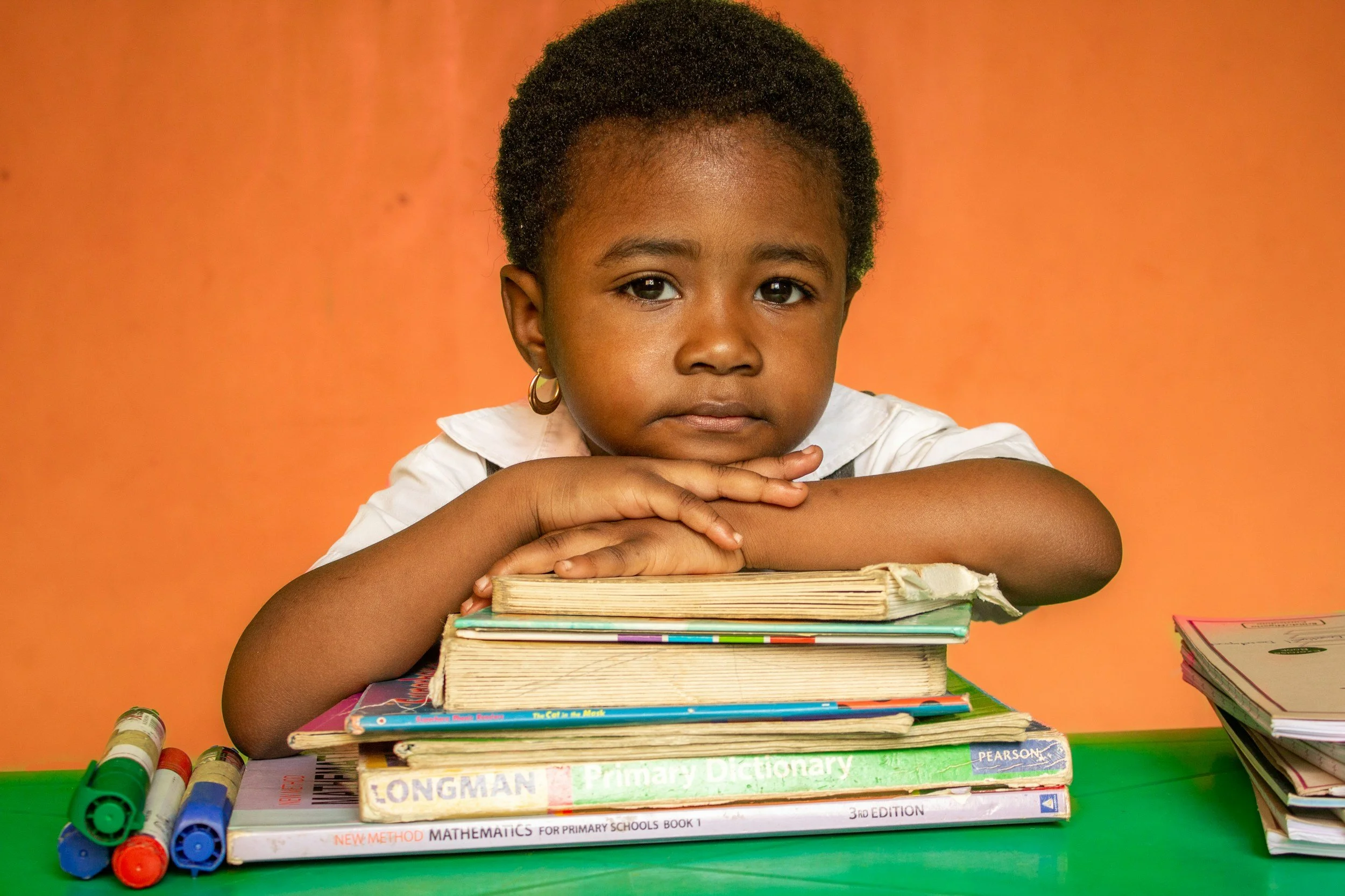
It doesn't mean that every child who loves reading will grow up to lead a company or become Prime Minister. It means something much deeper than that.
Reading gives children the power to learn independently. It opens doors to new ideas, new opportunities and new ways of seeing the world. A confident reader isn't limited by what someone else can explain to them—they can discover things for themselves.
That's why helping children become confident readers is one of the greatest gifts we can give them.
Reading isn't just another subject
We often talk about reading as if it's just another thing children have to learn in school. But it isn't really like maths or geography in that sense.
Reading is the gateway to all subjects.
If a child can read well, they can access everything else. The whole curriculum opens up—history, science, the word problems in maths. Without strong reading skills, everything becomes harder. With them, everything becomes more possible.
When children become fluent readers, they aren't just learning to read anymore. They're reading to learn.
It's about access.
Access to books. Access to knowledge. Access to the confidence that comes from knowing, "I can work this out."
And once a child can read—really read—they don't just open books. They open doors.
The confidence shift
One of the most powerful things about learning to read is what it does for confidence.
When children learn the phonic code and realise they can work a word out themselves, something shifts. They stop waiting for an adult to tell them. They start trying. They take risks with reading. And that moment—when a child reads a word they've never seen before and gets it right—isn't small.
It builds identity. It says, I am a reader.
Those small moments build over time. A child who believes they are capable is far more likely to persevere when reading becomes challenging, and that confidence spills over into other areas of learning too when the reading becomes a tool rather than the lesson itself.
Every journey looks different
Of course, no two readers are the same.
Some children pick phonics up quickly. Others need more repetition, more time and more gentle stepping stones. Some need concepts explained in different ways before everything clicks. Some master phonics then take time to develop fluency or comprehension.
That doesn't mean they can't become strong readers.
It simply means their journey looks different.
Good reading teaching doesn't rush children towards the finish line. It meets them where they are, celebrates every success and carefully builds the foundations they need for long-term success.
Reading is about so much more than words
Phonics is the foundation. Once children can decode confidently, the real joy begins. But that is only the start.
They start understanding characters, asking questions, laughing at funny stories, solving mysteries and losing themselves in books. Reading becomes more than a skill. It becomes a source of knowledge, imagination, comfort and enjoyment.
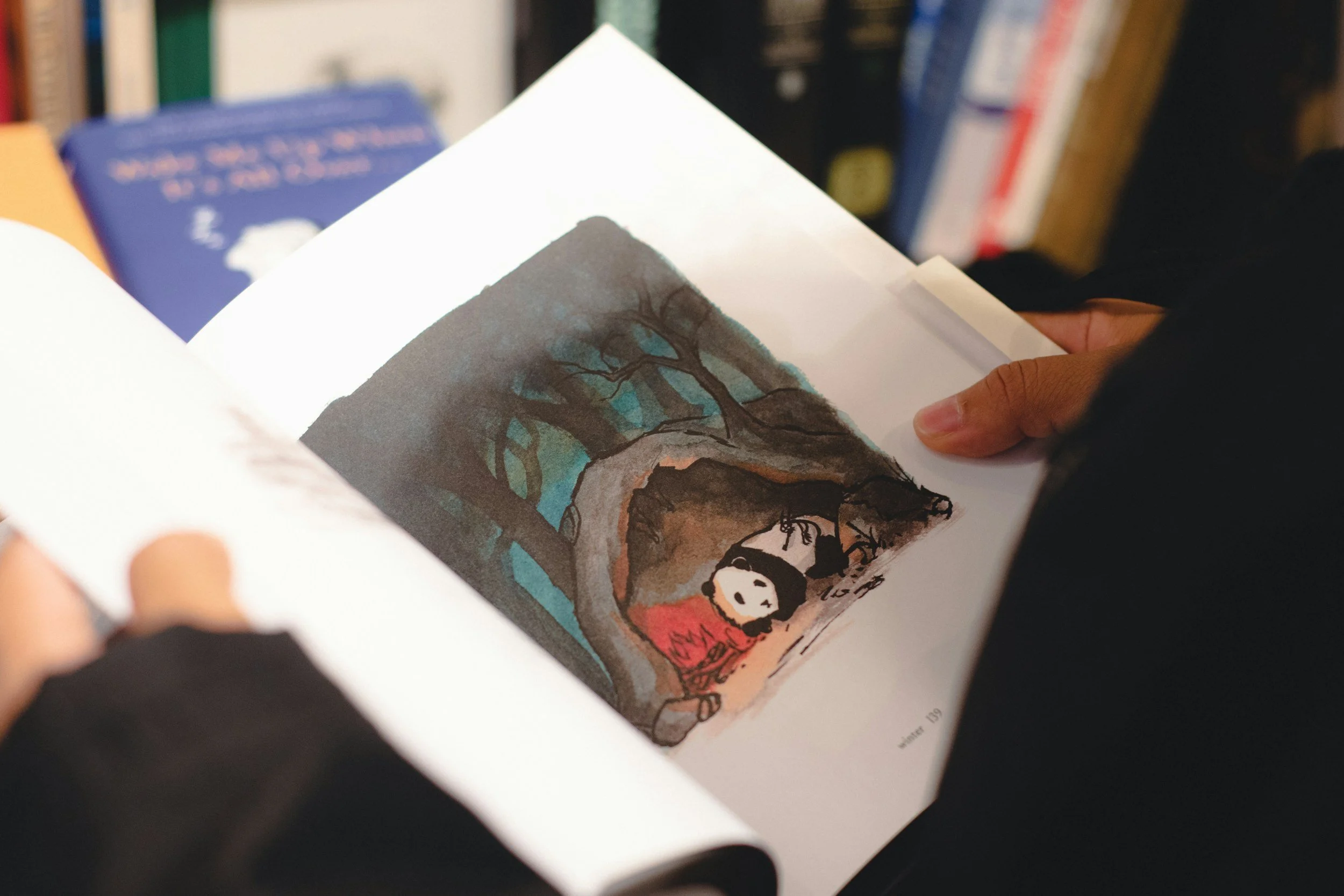
These are the readers who choose to pick up a book because they want to, not because they have to.
But none of that comes easily if the early code isn't secure or if fluency is a struggle.
Why readers become leaders
When reading is difficult, everything feels harder. Confidence dips. Frustration builds. Children can begin to believe things about themselves that simply aren't true.
But when reading starts to make sense—really make sense—it changes everything.
Not overnight, not perfectly, but steadily.
Children who can read confidently are better equipped to think critically, solve problems, learn independently and engage with the world around them. They gain the confidence to ask questions, explore new ideas and make informed decisions.
Those are the qualities that help children become leaders—not necessarily because they'll stand at the front of a room, but because they'll have the confidence and independence to shape their own future.